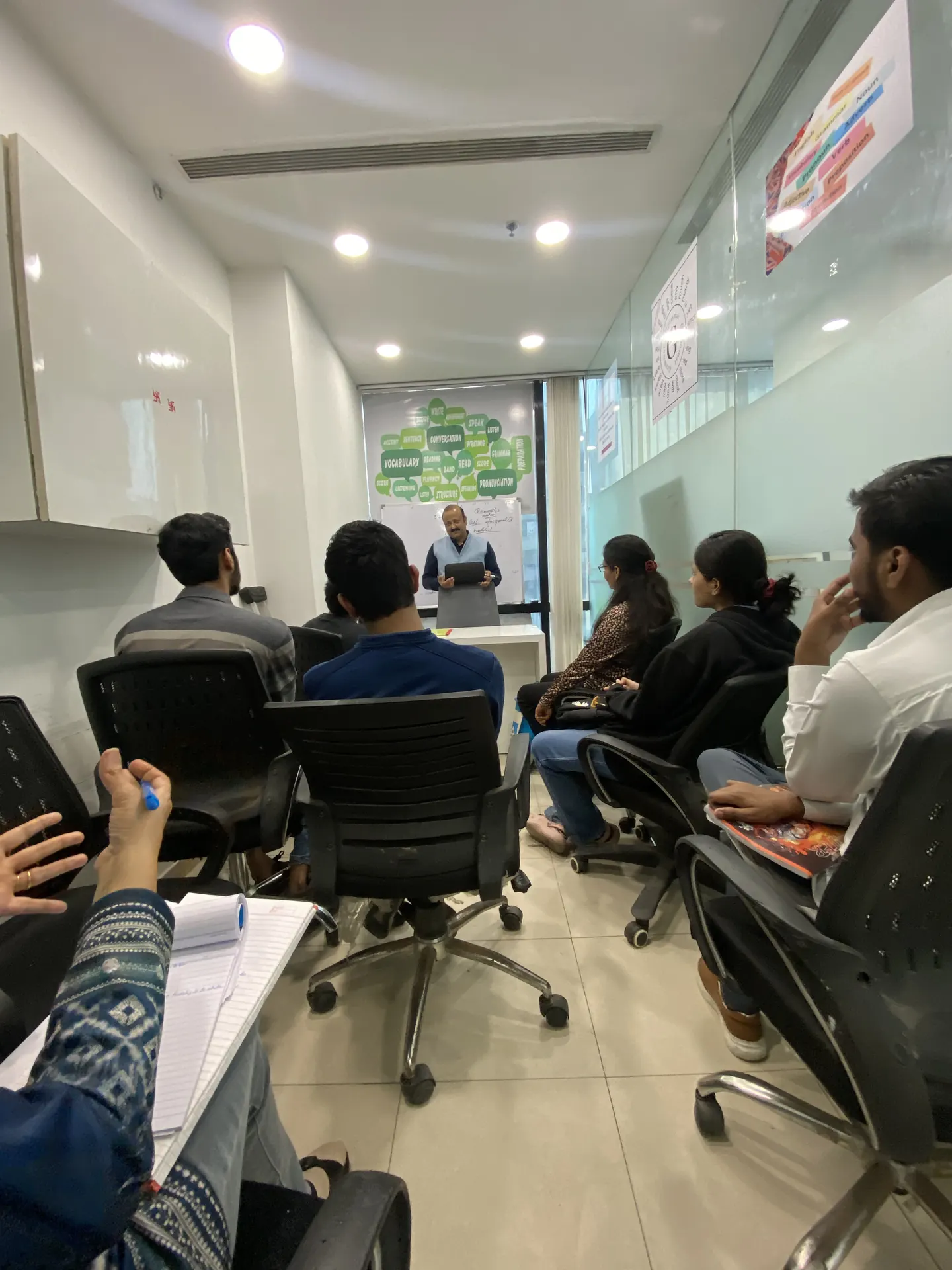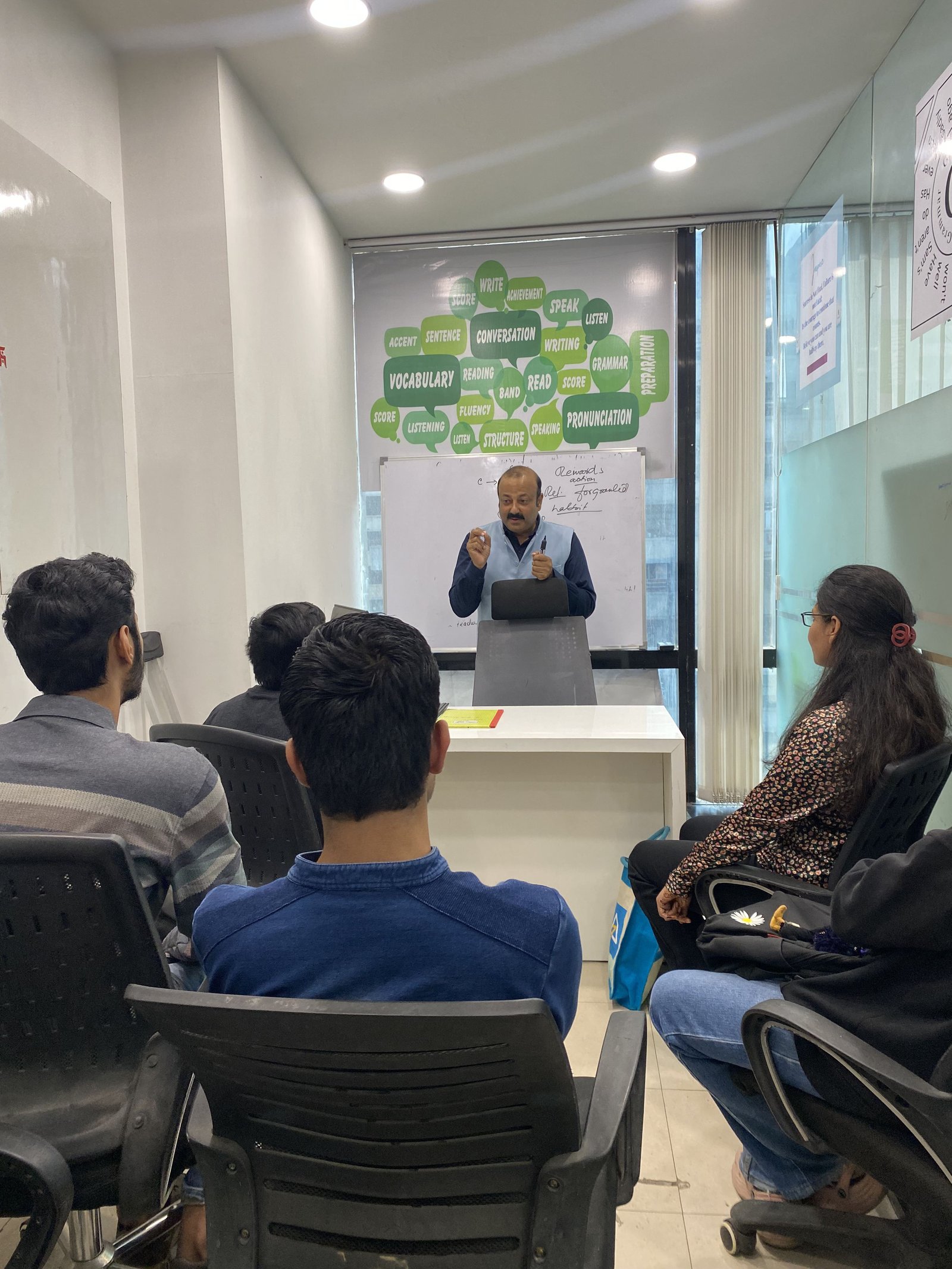
Practical English Learning in Delhi
Vani Lingua is an English speaking institute in Delhi that focuses on real communication. Many learners know basic English but hesitate when they need to speak in a classroom, interview, meeting or everyday conversation. Our training is designed to bridge that gap through guided speaking practice, grammar support, vocabulary building and confidence-focused activities.
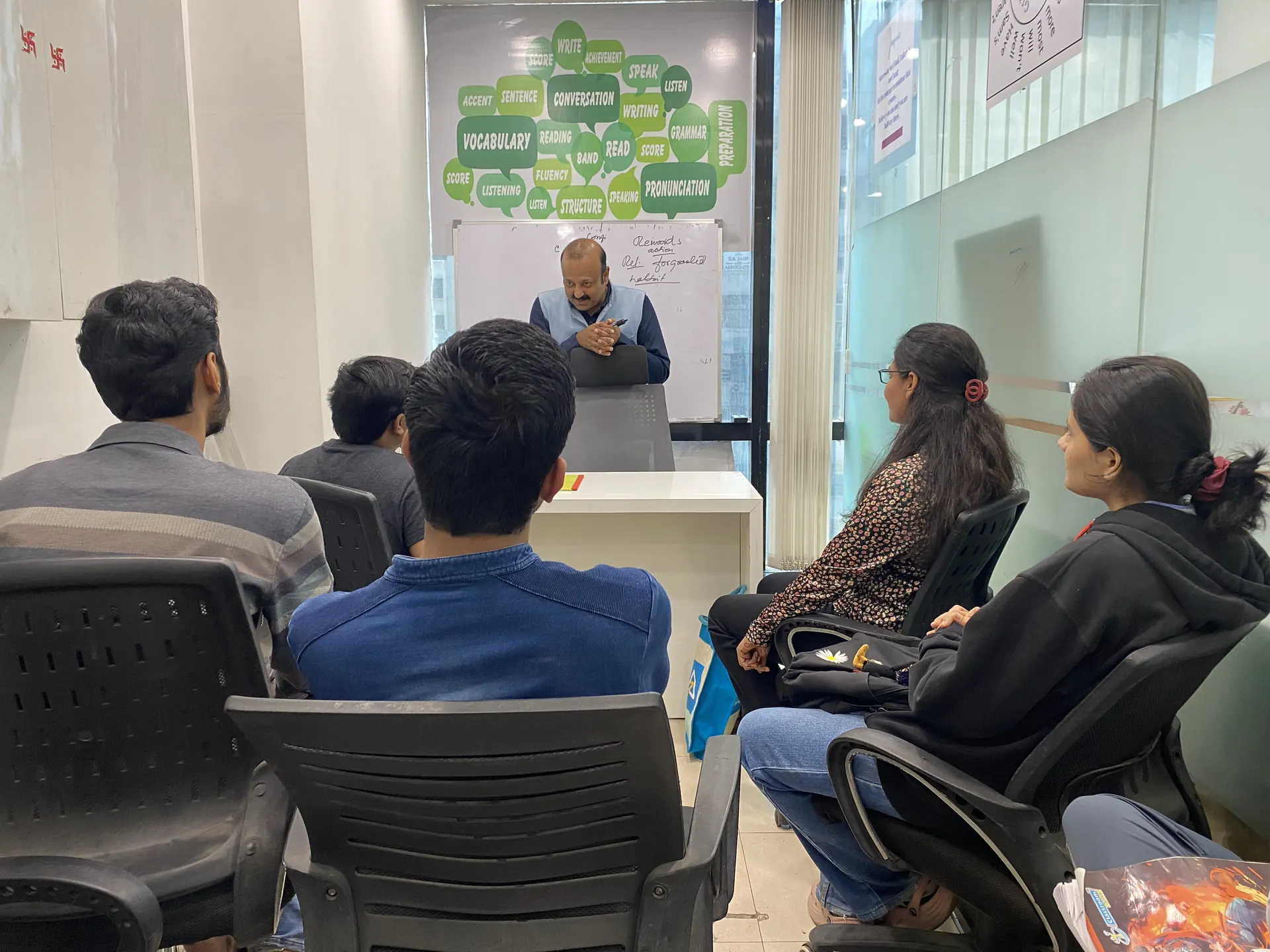
We believe English improves when learners actively use it. Instead of treating spoken English only as a written subject, the learning environment encourages participation, listening, speaking and constructive feedback.
Our Learning Approach
Speak More
Regular speaking activities help learners reduce hesitation and become comfortable forming sentences in real time.
Learn Practically
Grammar, vocabulary and pronunciation are connected to conversations rather than taught as isolated rules.
Build Confidence
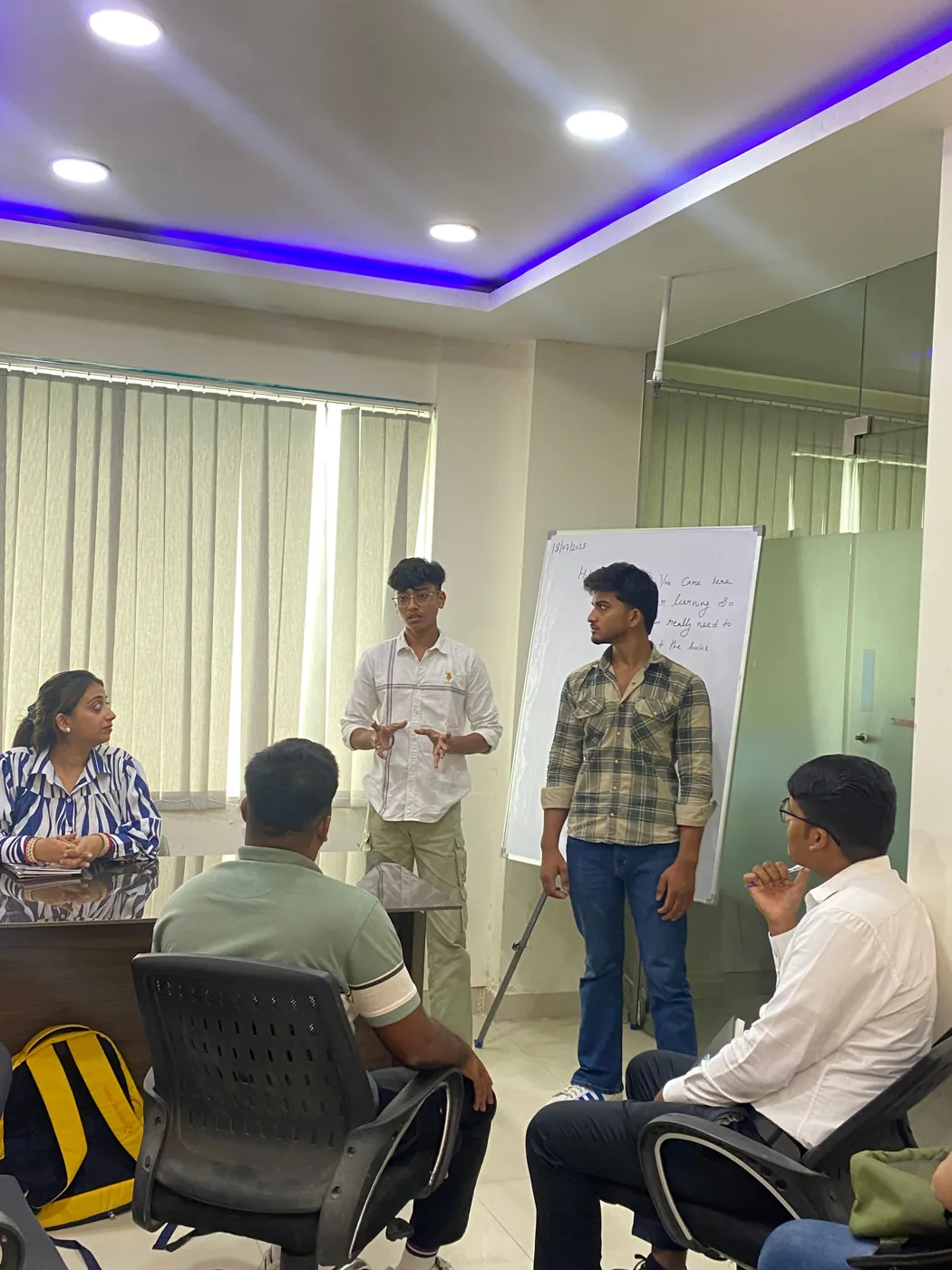
Role plays, presentations and interaction help learners express ideas clearly in academic, social and professional situations.
Why Communication Skills Matter
Strong communication can support learning, interviews, workplace collaboration, customer interaction, presentations and everyday confidence. For this reason, our English speaking classes combine language development with practical communication skills. Learners work on clarity, listening, sentence structure, vocabulary, pronunciation and the ability to respond naturally.
Our goal is to create a supportive environment where mistakes become part of learning. With regular practice and feedback, learners can identify patterns, improve accuracy and gradually speak with greater ease.
Who We Work With
Vani Lingua welcomes students, graduates, job seekers, working professionals, homemakers and other adult learners. Different learners begin at different levels, so course guidance should consider existing English ability, confidence and the situations in which the learner wants to communicate better.
A Learning Environment Built Around Participation
Spoken English improves through consistent use. For that reason, a learner-focused environment should provide opportunities to speak, listen, ask questions and apply new language in realistic situations. Feedback can then help learners notice recurring mistakes and improve accuracy without losing confidence.
From Understanding English to Using English
Many learners can read or understand English but find spontaneous speaking difficult. This gap is common because recognition and active communication are different skills. Structured speaking tasks, vocabulary practice, pronunciation awareness and repeated conversation can help turn passive knowledge into usable communication.
Learning Beyond Text